
BOSTON REIA • INVESTOR NEWS & INSIGHTS
Boston Office Vacancy Rises to 17.6% as Market Maintains One of Nations Largest Construction Pipelines – Boston Real Estate Times
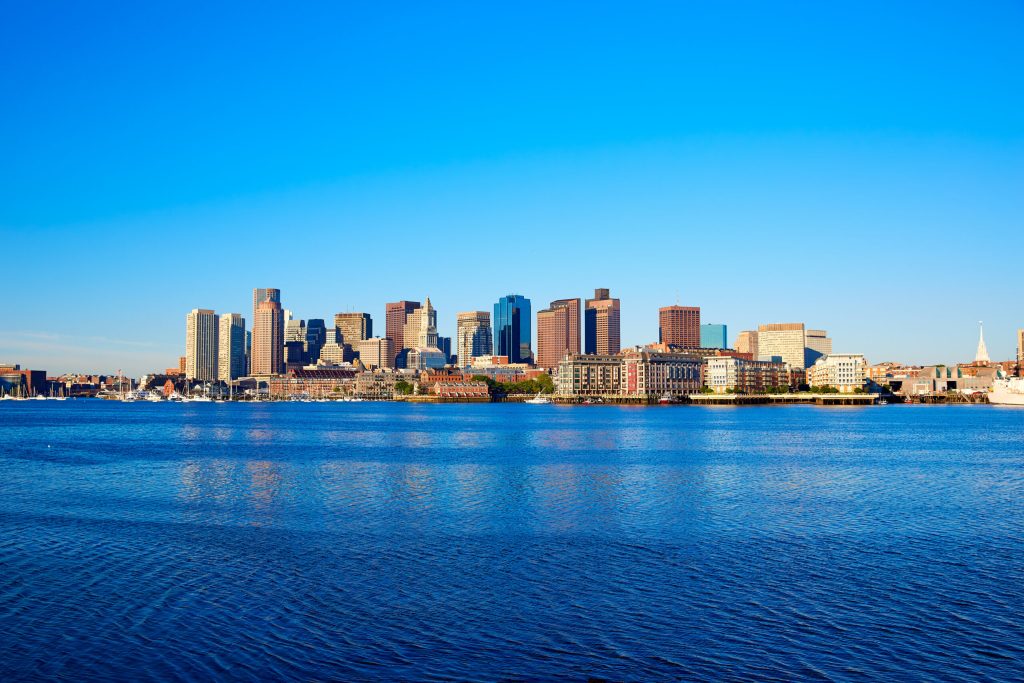


CommercialCafe report finds Boston’s vacancy rate climbing even as the national rate declines, with nearly 3 million square feet of office space under construction.
BOSTON — Boston’s office market moved in the opposite direction from the national trend over the past year, with vacancy increasing and average asking rents edging lower, even as the city maintained the nation’s third-largest pipeline of office construction, according to a new report from CommercialCafe.
Boston’s office vacancy rate reached 17.6% in September, up 2.2 percentage points from a year earlier. Nationally, the vacancy rate fell 0.8 percentage point to 17.8% over the same period, according to CommercialCafe’s October Office Report.
The figures underscore the uneven recovery of the U.S. office market, where demand, rents and new development continue to vary by location and property type. Boston’s vacancy rate remained slightly below the national average, but its year-over-year increase contrasted with improving national figures.
Average asking rents in Boston also weakened. The city’s office listing rate fell 1% year over year to $47.65 per square foot in September, while the national average rose 1.2% to $33.18 per square foot.
Boston’s asking rate remained substantially higher than the national figure, reflecting the comparatively expensive nature of its office market. But the decline suggests that landlords continue to face challenges in attracting tenants and maintaining pricing.
Nearly 3 million square feet under construction
Despite rising vacancies, Boston continued to rank among the country’s most active office development markets. Nearly 2.98 million square feet of office space was under construction in September, the third-largest pipeline in the nation, behind Manhattan and Dallas.
The scale of the pipeline presents a mixed picture for the market. New buildings can attract companies seeking modern workplaces with upgraded amenities and efficient layouts, but additional supply can also intensify competition for tenants if demand does not keep pace.
CommercialCafe’s report points to a broader shift in office development, with new construction increasingly concentrated in high-quality properties rather than older buildings that may be harder to lease.
Nationally, approximately 32.2 million square feet of office space was under construction in September. Manhattan and Dallas were the only markets with more than 3 million square feet in development, together accounting for more than 21% of the national pipeline.
The development outlook reflects the slowdown in office construction over recent years. CommercialCafe expects national office completions to bottom out at about 26 million square feet in 2027, potentially helping offset weaker demand by limiting the amount of new space entering the market.
However, the effect is likely to vary across cities depending on local supply and demand, as well as the quality and location of available properties.
Investors continue to trade office properties
Boston’s office investment market remained active despite the challenges facing landlords. Office sales totaled approximately $1.47 billion through September, the second-highest year-to-date total in the Northeast, according to the report.
Properties traded at an average of about $230 per square foot, above the national average of $197.
The sales volume indicates continued investment activity, although transaction totals alone do not establish whether the market is recovering or whether property values are rising. The type of buildings sold, their locations and the terms of individual transactions can all influence aggregate figures.
Nationally, Manhattan led office sales with more than $5.7 billion in transactions since the beginning of the year. California’s Bay Area followed with $4.6 billion, while Dallas recorded $3.7 billion and San Francisco $3.2 billion.
Boston’s position among the leading Northeastern markets suggests that investors continue to transact in the region even as vacancies and leasing conditions remain uneven.
Demand increasingly favors higher-quality offices
The report also highlights a growing divide in office asking rates by property class.
Nationally, Class A office asking rates increased 3.1% year over year to $40.62 per square foot in September. Class B rates declined 1.8% to $27.07 per square foot, while Class C rates rose 3.2% to $19.63.
The figures suggest that demand and pricing are not moving uniformly across the office sector. High-end buildings can command stronger rents when they offer modern facilities, desirable locations and amenities that appeal to companies seeking to attract employees back to physical workplaces. Older properties may face greater difficulty competing, particularly when upgrades require substantial investment.
Peter Kolaczynski, director of Yardi Research, said the slowdown in new office deliveries has created an opportunity for developers to supply modern, highly amenitized buildings in prime locations.
“With the significant reduction in office deliveries during the last four or so years, there’s a void of best-in-class office offerings and an opportunity to fill this need with fully amenitized, class A+ space in prime locations,” Kolaczynski said.
He cautioned, however, that demand for the highest-quality properties represents only a small segment of the overall market, while much of the Class B inventory continues to face significant obstacles.
An uneven recovery
CommercialCafe’s findings point to an office market still adjusting to changes in workplace demand and the amount and quality of available space. Slower construction may help bring supply into better alignment with demand over time, but it does not eliminate the challenges facing buildings that struggle to attract tenants.
For Boston, the combination of rising vacancy, slightly lower asking rents and a substantial construction pipeline highlights the tension between a market with continued investment and development activity and one still working through excess or mismatched office supply.
The city’s comparatively high asking rents and strong construction pipeline indicate that developers and property owners continue to see opportunities, particularly in modern buildings. Whether those projects translate into a sustained recovery will depend on the pace of leasing, the performance of older properties and the ability of new supply to meet tenants’ changing needs.
Source: CommercialCafe, October Office Report. The report provides September 2026 office vacancy, asking-rate, construction and investment figures. Commentary on office development and property-class trends is attributed to Peter Kolaczynski, director of Yardi Research.
Related