
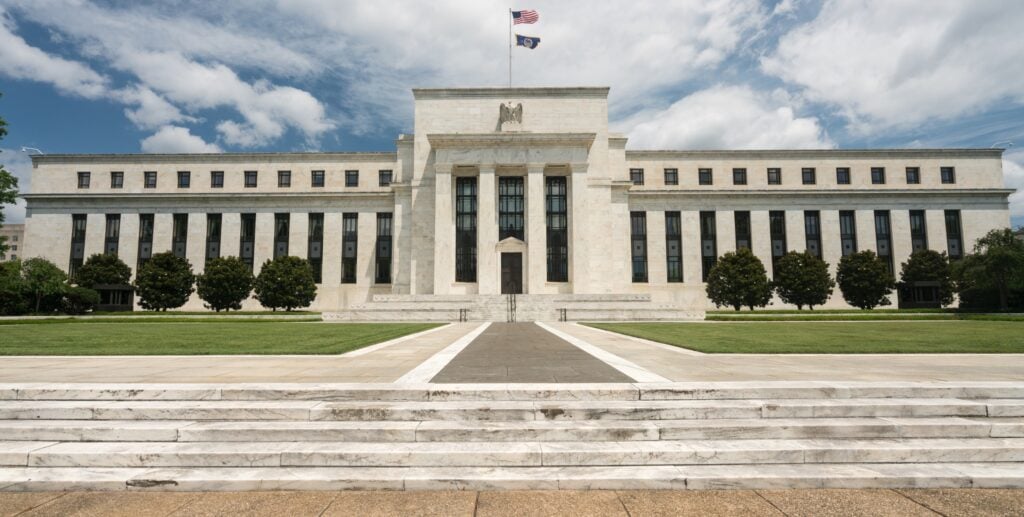
Title: A New Fed Chairman is Coming Soon—Here’s What Their Potential Low-Rate Policy Will Mean For Investors
As the financial world braces for the transition of power within the United States Federal Reserve, anticipation is mounting regarding the potential policy shifts under the new Federal Reserve Chairman. With the current chair nearing the end of their term, market analysts and investors alike are speculating on the strategies and impacts a new chairperson might bring, particularly concerning interest rates. A potential continuation or introduction of a low-rate policy could have significant implications for investment portfolios and economic growth.
The Role of the Federal Reserve Chairman
The Federal Reserve’s primary roles include managing inflation, regulating interest rates, and striving for maximum employment. The Chairman of the Federal Reserve is pivotal in setting the tone for monetary policy, including deciding whether to raise, lower, or maintain interest rates. This decision is crucial as it impacts borrowing costs, consumer spending, business investments, and, ultimately, the broader economy.
Why Interest Rates Matter
Interest rates are a fundamental tool used by the Federal Reserve to control economic activity. When rates are low, borrowing is cheaper, encouraging businesses and consumers to spend and invest more. Conversely, higher interest rates can cool down an overheated economy by making borrowing more expensive, thereby reducing spending and investment.
Potential Low-Rate Policy: What It Could Mean
Stimulated Economic Growth: A low-rate policy may extend the period of economic growth by making loans for businesses and consumers more affordable. This could spur expansion projects and consumer purchases, driving economic momentum.
Stock Market Impacts: Historically, low interest rates have been beneficial for the stock market. Lower rates can boost corporate profits by reducing borrowing costs and enhancing consumer spending. This often leads to higher stock valuations as investors seek increased returns from equities.
Increased Asset Prices: Apart from stocks, real estate and other asset classes might see increased demand as investors seek alternatives to low-yielding bonds. Real estate markets often thrive in low-interest environments due to lower mortgage rates, enhancing affordability.
Challenges for Fixed-Income Investors: While equities may benefit, fixed-income securities like bonds might pose a challenge. Low interest rates typically result in lower yields on new bond issuances, potentially pushing income-focused investors toward higher-risk assets to achieve desired returns.
Inflation Concerns: Persistent low rates can fuel inflationary pressures if economic demand outstrips supply. The new Fed Chair will need to carefully balance encouraging growth while preventing runaway inflation that could erode purchasing power.
Investor Strategies in a Low-Rate Environment
Investors might consider several strategies to adapt to a potential continuation of low interest rates:
- Diversification: Balancing a mix of equities, bonds, and alternative investments can help manage risk and return.
- Focus on Growth Stocks: Companies with potential for significant earnings growth may thrive as low borrowing costs support expansion.
- Consider Real Assets: Investing in real estate or commodities may protect against inflation and interest rate volatility.
- Review Fixed-Income Holdings: Evaluating bond portfolios for duration risk and yield potential remains crucial as rates fluctuate.
Conclusion
As the Federal Reserve prepares for new leadership, the anticipation surrounding their approach to interest rates is merited. A low-rate policy can hold profound implications for various investment landscapes, from equities to real estate and beyond. While offering potential growth opportunities, it also challenges investors to navigate through uncertainty thoughtfully. As speculation gives way to reality with the appointment of the new Chair, the financial world will be keenly observing how their decisions shape the market dynamics and economic trajectory in the forthcoming years.