
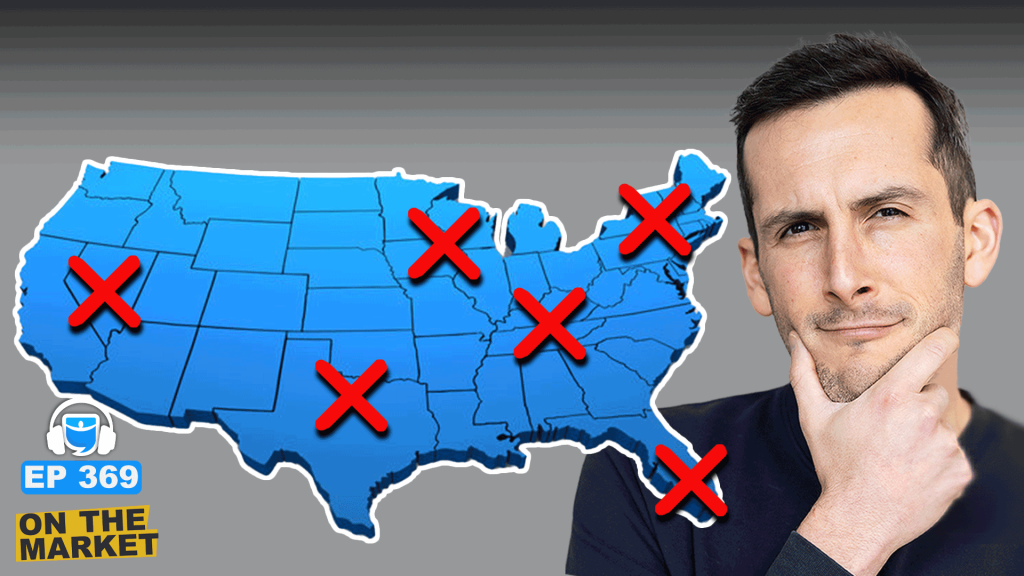
Title: Zillow’s 2026 Housing Market Forecast: Emerging Hotspots and Challenging Areas
As we edge closer to the mid-2020s, the housing market continues to captivate economic analysts, prospective homeowners, and real estate investors. Zillow’s latest forecast for 2026 offers a glimpse into the dynamic nature of the real estate landscape, highlighting areas primed for growth as well as markets poised for stagnation or decline. As economic, social, and technological factors interplay, Zillow’s analysis provides valuable insights for those looking to navigate the complex housing market of the near future.
Emerging Hotspots: Growth on the Horizon
Austin, Texas: The Tech Magnet
Austin has been a perennial favorite for investors and homebuyers alike, and by 2026, it is expected to further solidify its position as a tech hub. The city’s continued investment in technology infrastructure, coupled with a vibrant cultural scene, makes it a magnet for young professionals. Zillow forecasts robust price appreciation driven by strong job growth and an influx of new residents.Raleigh, North Carolina: The Research Triangle Surge
The Research Triangle area, comprising Raleigh, Durham, and Chapel Hill, is expected to see significant housing market activity. With its thriving education sector and expanding tech ecosystem, Raleigh will likely experience both suburban and urban real estate booms. The city’s balanced cost of living and quality of life make it particularly attractive for families and retirees.Phoenix, Arizona: The Sun Belt Shine
Phoenix is anticipated to remain a key player in the Sun Belt’s housing market boom. Zillow’s forecast suggests ongoing demand fueled by domestic migration and a strong job market, particularly in healthcare and tech sectors. The city’s appeal lies in its affordability, outdoor lifestyle, and growing infrastructure, positioning it as a top destination for remote workers and retirees.
Challenging Markets: Faces of Slow Growth or Decline
San Francisco, California: The Cost Conundrum
Despite its status as a global tech powerhouse, San Francisco’s housing market faces challenges from affordability issues. Zillow predicts slower growth as more tech companies embrace remote work, reducing the premium for living near Silicon Valley. The city’s high cost of living may drive potential homebuyers to more affordable markets unless significant policy changes alter its housing dynamics.New York City, New York: The Urban Reset
New York City’s real estate market is anticipated to experience moderate growth, with significant variation between boroughs. While Manhattan may see challenges due to cost constraints and changing work dynamics, outer boroughs like Brooklyn and Queens could benefit from those seeking more space and slightly lower costs. Nevertheless, the city’s recovery hinges on broader economic rejuvenation and shifts in workplace trends.Chicago, Illinois: The Stability Factor
Chicago presents a mixed bag; while it remains one of the nation’s largest metropolitan areas, it might struggle with stagnant growth. Zillow’s forecast indicates that high taxes and economic uncertainties could dampen demand. Nonetheless, certain neighborhoods with strong community investments and revitalization projects could defy these trends.
Conclusion: Navigating the Future Market
As we look toward 2026, understanding the nuances of each region’s economic, social, and demographic trends will be crucial for making informed real estate decisions. Buyers and investors will need to consider factors beyond traditional metrics, such as remote work trends, climate change impacts, and urban renewal projects. Zillow’s forecast serves as a roadmap, highlighting not only where opportunity might lie but also where caution may be warranted. The evolving housing market remains a reflection of broader societal shifts, and keeping a pulse on these developments will be key for success in the real estate domain.